Demystifying Container as a Service (CaaS): A Complete Guide to Modern Cloud Architecture
In the fast-paced world of software development, engineering teams are constantly searching for ways to build, ship, and scale applications faster without drowning in infrastructure management. Enter Container as a Service (CaaS)—a powerful cloud-computing model that has revolutionized how modern applications are deployed and managed.
Whether you are a developer looking to streamline your deployment pipeline or an IT leader trying to optimize cloud spend, understanding CaaS is essential. Let’s make this clear and easy to understand by diving into the basics, core features, benefits, and why CaaS has become a cornerstone of cloud-native development.
What is Container as a Service (CaaS)?#
Container as a Service (CaaS) is a cloud service model that allows developers and IT operations teams to manage, scale, and deploy containerized applications using container-based virtualization.
To understand CaaS clearly, it helps to look at where it sits in the cloud computing spectrum:
Infrastructure as a Service (IaaS): Gives you raw virtual machines, storage, and networking. You are responsible for managing the operating systems, patches, and middleware.
Platform as a Service (PaaS): Provides a managed environment to write code, but often locks you into specific frameworks or has limited flexibility over underlying components.
Container as a Service (CaaS): The "sweet spot" in the middle. CaaS abstracts away the underlying virtual machines and hardware, allowing you to focus entirely on packing your application code, runtime, and dependencies into containers.
The Basics: What is a Container?#
Before exploring CaaS deeply, let's revisit the core building block: the container.
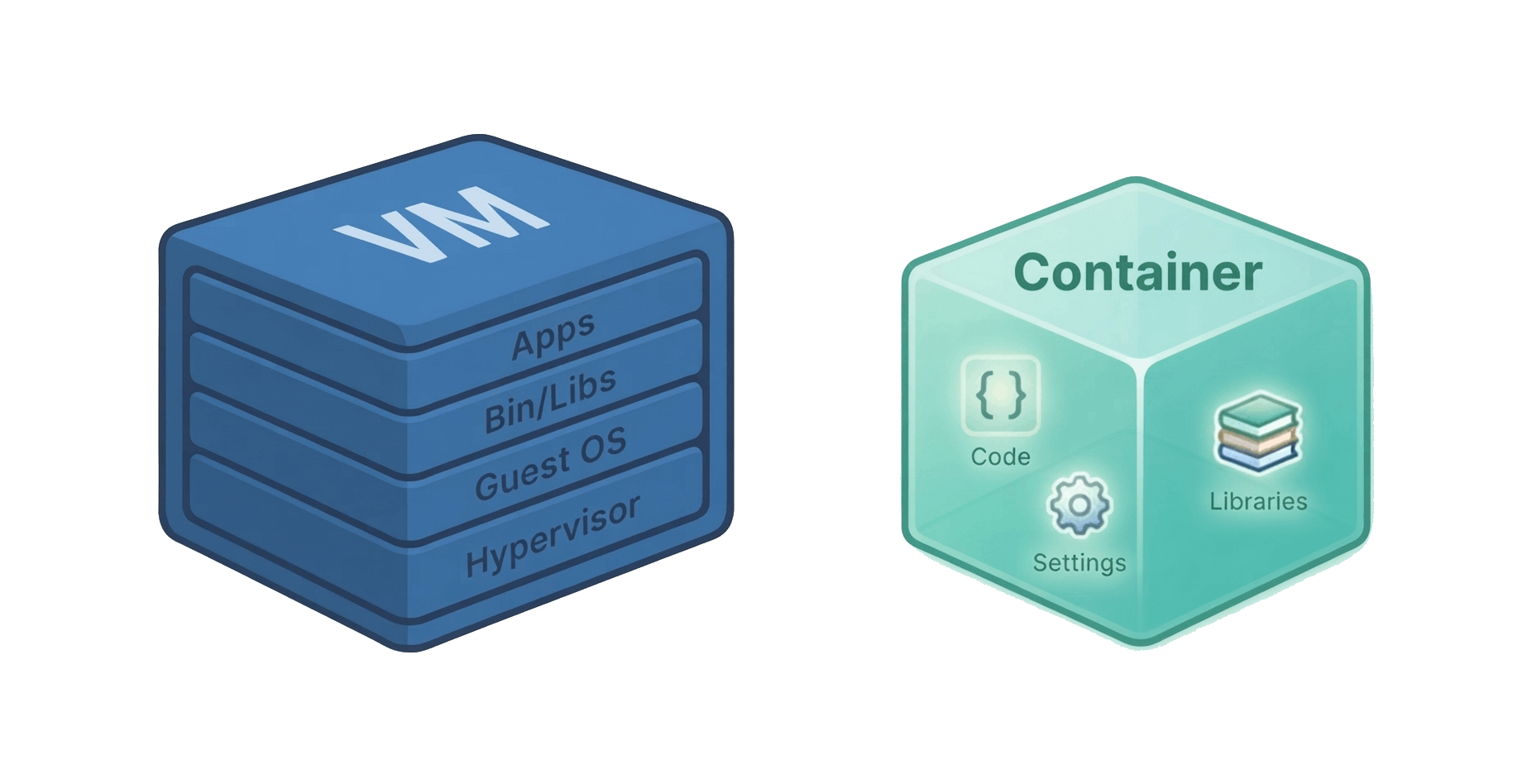
Unlike traditional Virtual Machines (VMs) that emulate an entire hardware stack—including a heavy guest operating system—containers are lightweight software units that share the host machine's operating system kernel.
Isolation: Each container runs in its own isolated user space, ensuring that an issue in one container doesn't cascade into others.
Portability: Because a container packages the application code along with all its libraries and configuration files, it runs reliably on any environment that supports the container runtime (e.g., Docker)—from a developer's local laptop to a massive multi-cloud production cluster.
Core Components of a CaaS Platform#
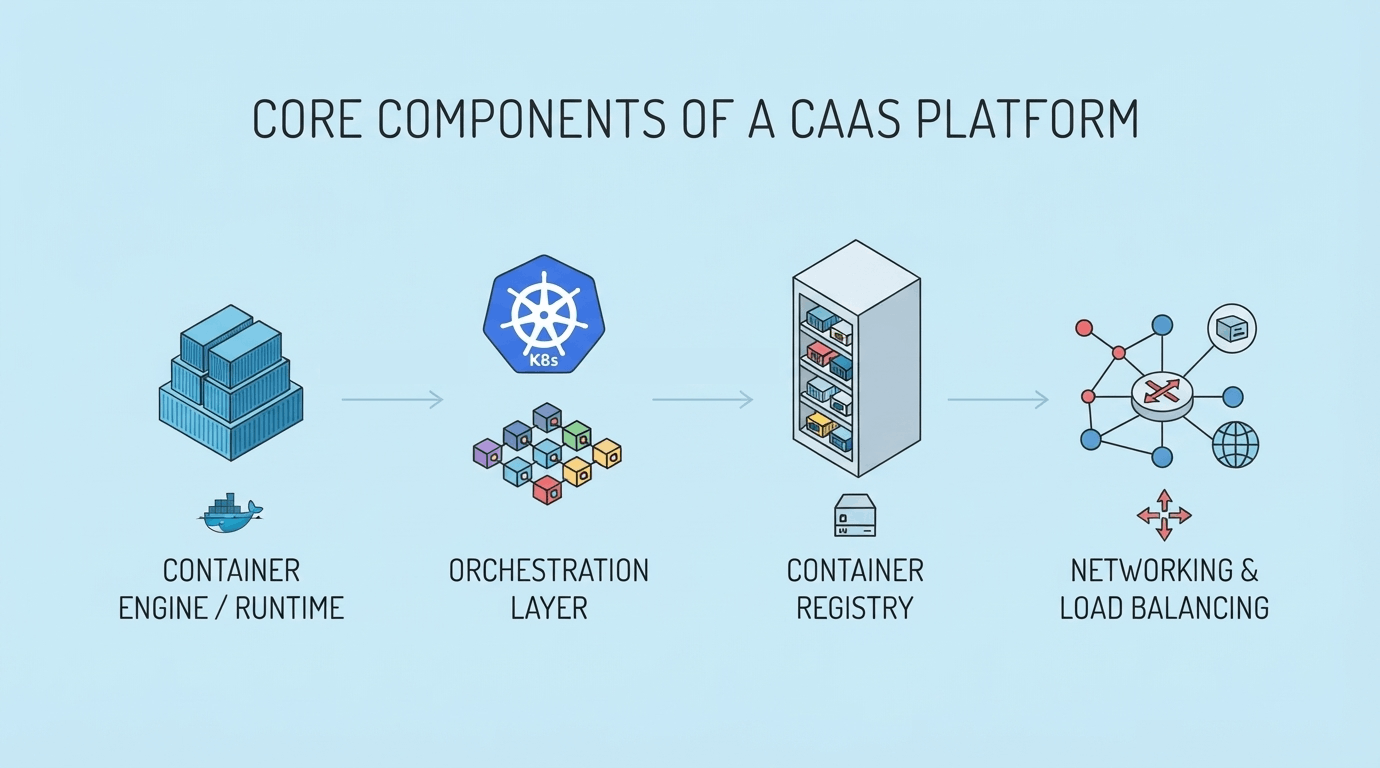
A robust CaaS environment typically provides several foundational layers and features:
Container Engine / Runtime: The tool (such as Docker) that packages and executes the container images.
Orchestration Layer: Managing a single container is easy; managing hundreds is complex. CaaS platforms incorporate or interface with orchestration tools—most notably Kubernetes—to automate deployment, scaling, networking, and health monitoring.
Container Registry: A secure repository where container images are stored, versioned, and pulled from during deployments.
Networking & Load Balancing: Software-defined networking (SDN) that enables seamless communication between microservices while routing external traffic efficiently.
Why Organizations Are Shifting to CaaS#
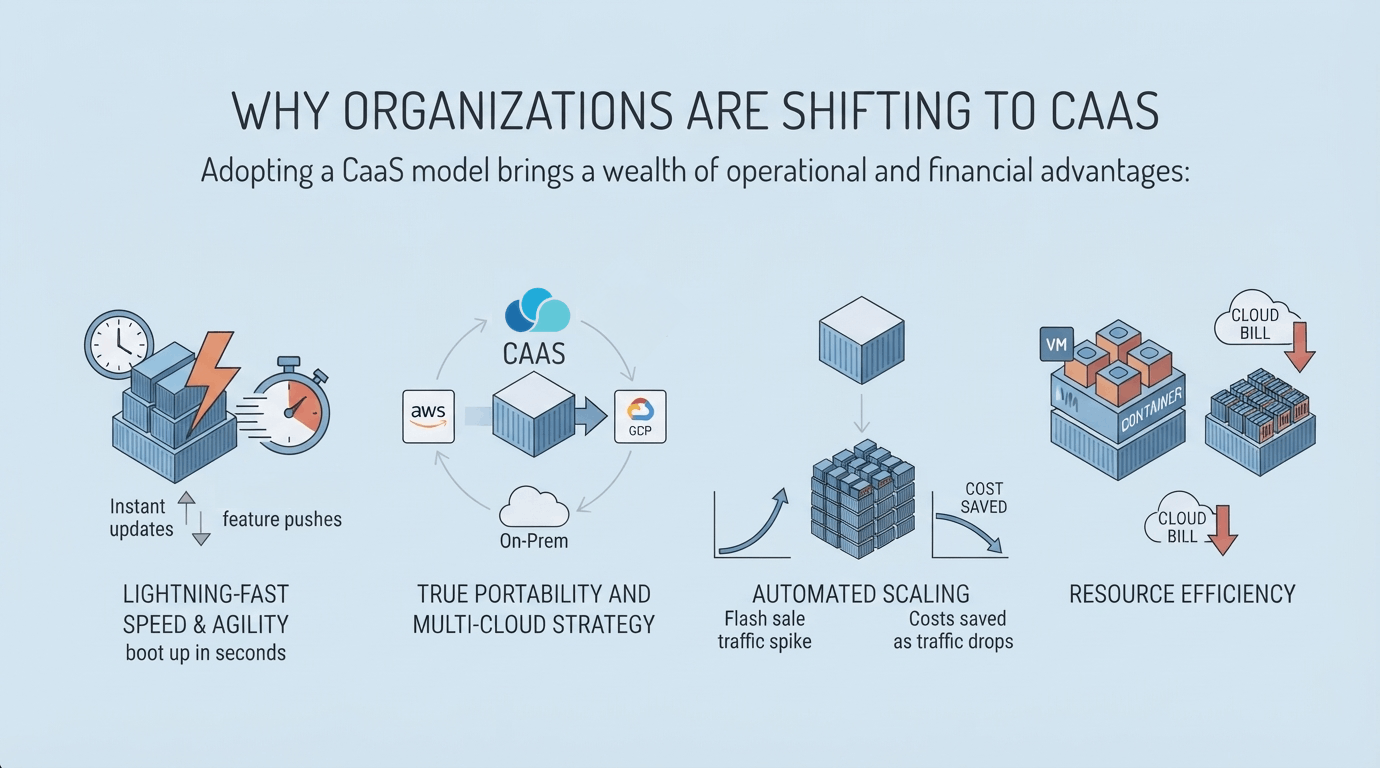
Adopting a CaaS model brings a wealth of operational and financial advantages:
Lightning-Fast Speed & Agility: Because containers boot up in seconds (compared to minutes for VMs), developers can push updates, roll back changes, and test new features instantly.
True Portability and Multi-Cloud Strategy: CaaS eliminates vendor lock-in. An application containerized and deployed via CaaS on one cloud provider can be migrated to another cloud or an on-premises data center with minimal friction.
Automated Scaling: CaaS platforms feature built-in auto-scaling. If your e-commerce platform experiences a surge in traffic during a flash sale, the system automatically spins up additional container replicas; when traffic drops, it scales them back down to save costs.
Resource Efficiency: Containers have a tiny footprint compared to VMs. Because they share the host OS, you can pack far more application density onto the same underlying infrastructure, resulting in direct cloud-bill savings.
Best Practices for Implementing CaaS#
To get the most out of your CaaS implementation while maintaining security and stability, keep these best practices in mind:
Prioritize Image Security: Regularly scan your container images for vulnerabilities. Only pull images from trusted, verified registries.
Implement Strict Access Control (RBAC): Use Role-Based Access Control to enforce the principle of least privilege, ensuring components and users only have access to what they strictly need.
Design for Observability: Integrate comprehensive logging and monitoring tools from day one. In a distributed microservices environment, tracing where a bottleneck or error occurs is vital.
Embrace DevOps/CI/CD Pipelines: Align your CaaS deployment workflows with automated continuous integration and continuous delivery pipelines to maximize speed and minimize human error.
Conclusion#
Container as a Service (CaaS) has fundamentally transformed modern software delivery, bridging the gap between cumbersome infrastructure management and agile application development. By abstracting away servers and offering automated orchestration, portability, and scaling, CaaS empowers engineering teams to focus on what matters most: writing great code and delivering business value.
Rate this article
Be the first to rate this article
Comments & Discussion0
Related articles
من تشغيل الحاويات إلى إدارة التطبيقات في السحابة: Containers as a Service (CaaS) 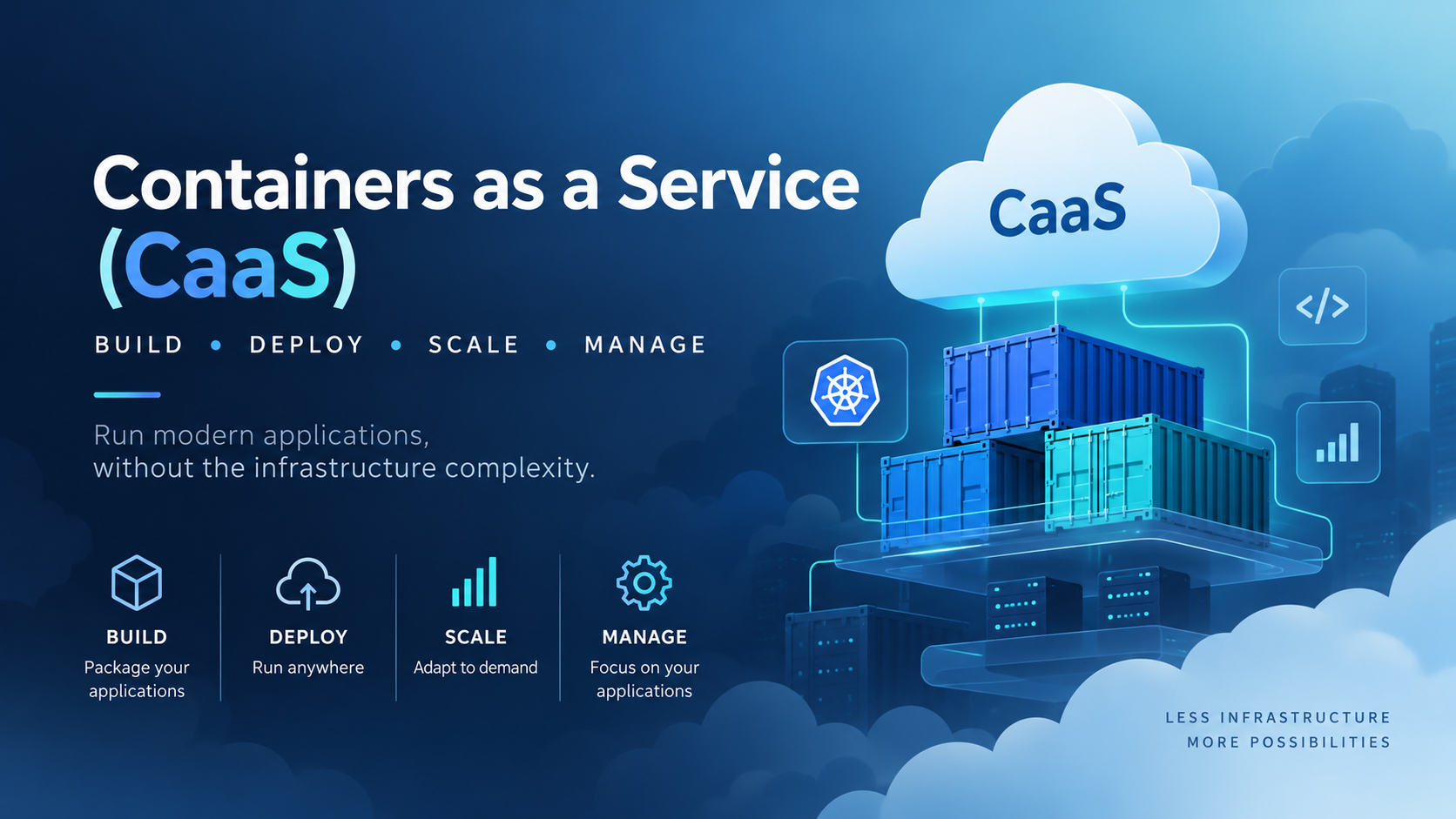 DevOps & Containers
من تشغيل الحاويات إلى إدارة التطبيقات في السحابة: Containers as a Service (CaaS)
تعرّف على Containers as a Service (CaaS)، وكيف تعمل الحاويات وإدارة التطبيقات والتوسع التلقائي، وما الفرق بين CaaS وIaaS وPaaS وFaaS.
Salwa ThabetContainers-as-a-Service - CaaS 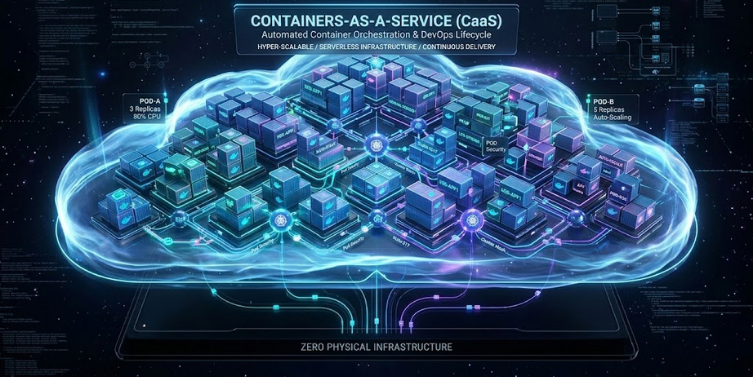 DevOps & Containers
Containers-as-a-Service - CaaS
Containers as a Service (CaaS) is an advanced cloud computing model. This technology enables developers and operations teams to deploy and manage containerized applications using popular build tools such as Docker. It also relies on advanced orchestration and automation engines such as Kubernetes to manage these containers and their clusters, and to scale them automatically as needed. Thus, the platform relieves organizations of the complexities of managing physical infrastructure, enabling them to focus entirely on software development efficiently and securely.
ضياء المعمريCONTAINER AS A SERVICE 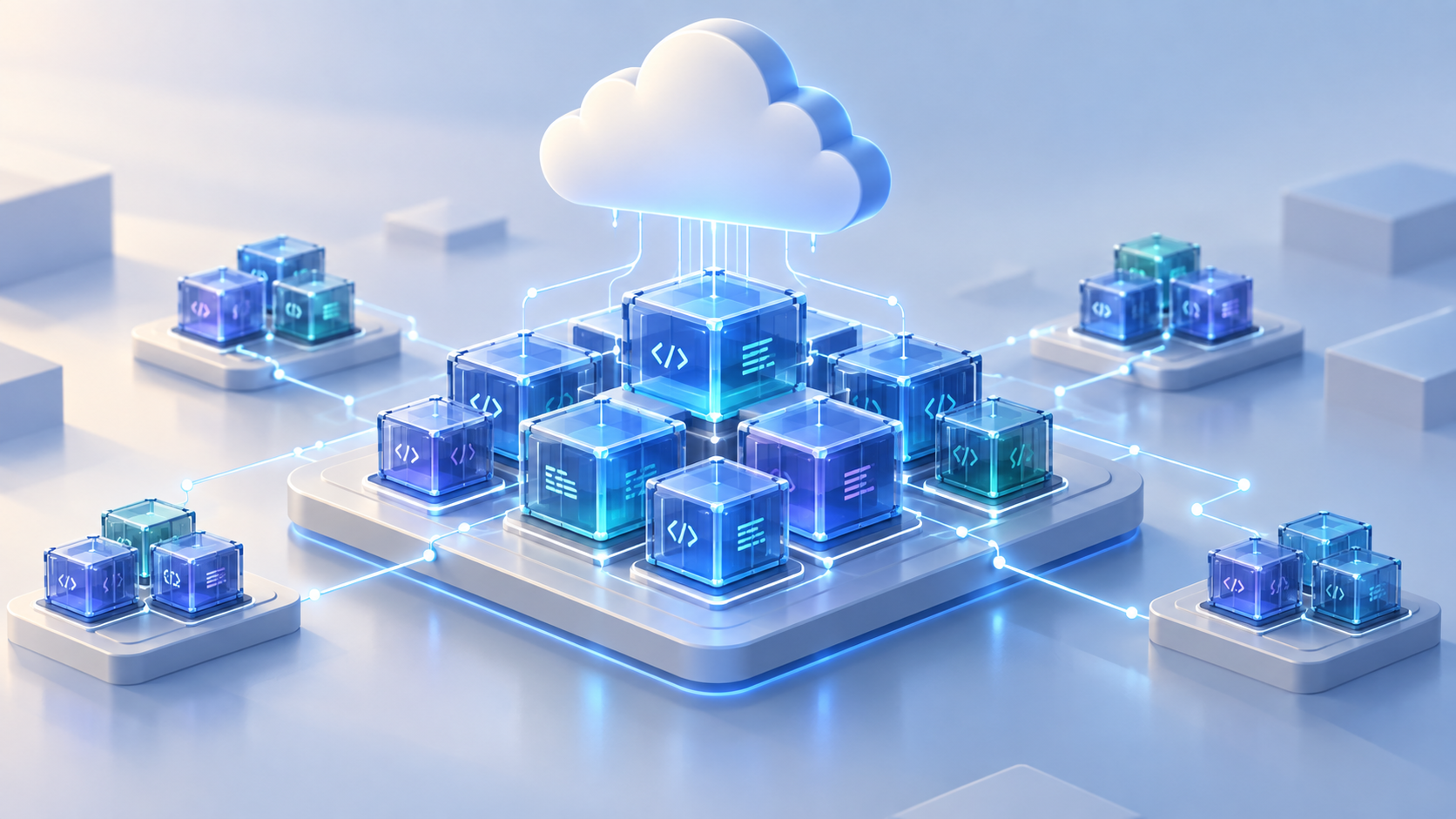 DevOps & Containers
CONTAINER AS A SERVICE
Discover how Containers as a Service (CaaS) lets you deploy and scale applications without managing servers—and when to choose it over VMs or serverless functions.
mohammed aboubaker